Bird Enrichment Ideas for Every Day
Pet birds are among the most intelligent companion animals in the world. Whether you share your home with a parakeet, cockatiel, conure, lovebird, African grey, cockatoo, or another feathered friend, providing daily enrichment is essential for their physical and mental well-being.
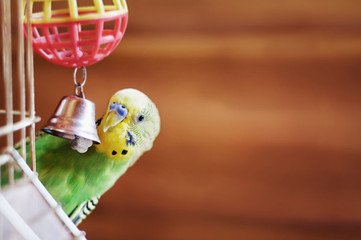
In the wild, birds spend much of their day flying, climbing, searching for food, socializing with their flock, and exploring new environments. Life inside a cage is much different, which means it's up to us to create opportunities that encourage these natural behaviors.
Daily enrichment doesn't have to be expensive or time-consuming. With a little creativity and consistency, you can help your bird stay active, curious, and happy every day.
Why Enrichment Matters
Birds are incredibly intelligent and can quickly become bored without enough mental stimulation. A lack of enrichment may lead to unwanted behaviors such as:
Feather plucking
Excessive screaming
Aggression
Pacing or repetitive movements
Depression or withdrawal
Destructive chewing
Providing new experiences every day helps prevent boredom while improving your bird's overall quality of life.
Rotate Toys Regularly
One of the easiest ways to keep your bird interested is by rotating toys.
Instead of placing every toy in the cage at once, keep several in storage and swap them every week or two. When a familiar toy returns after a break, it often feels brand new to your bird.
Great toy options include:
Shredding toys
Natural wood chew toys
Rope perches
Bell toys
Puzzle toys
Foraging toys
Swings
Climbing ladders
Regular rotation keeps playtime exciting while extending the life of your toys.
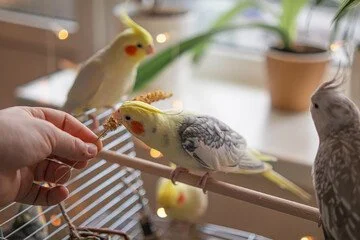
Encourage Foraging
Wild birds spend hours searching for food each day.
Instead of always placing food in the same bowl, encourage natural foraging by hiding treats inside safe toys or paper cups, wrapping healthy snacks in plain paper, or using puzzle feeders.
Simple foraging ideas include:
Hiding pellets inside paper cups
Stuffing treats into cardboard tubes
Wrapping vegetables in untreated paper
Using commercial foraging toys
Hanging leafy greens around the cage
Foraging encourages problem-solving and helps prevent boredom.
Provide Different Perches
Standing on the same perch all day can become uncomfortable and unstimulating.
Offer a variety of perch types, including:
Natural wood branches
Rope perches
Platform perches
Pedicure perches (used sparingly)
Different diameters and textures
Changing foot positions throughout the day promotes healthy feet while giving your bird more places to explore.
Let Your Bird Climb
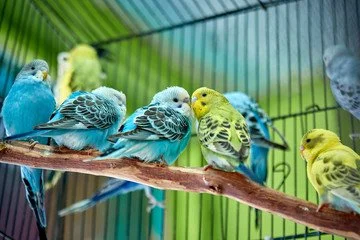
Many pet birds love climbing just as much as flying.
Install ladders, rope bridges, hanging toys, and climbing nets to encourage movement throughout the enclosure.
If your bird spends supervised time outside the cage, consider adding a play stand with additional climbing opportunities.
Teach New Tricks
Training is one of the best forms of enrichment.
Birds enjoy learning and often look forward to positive training sessions.
Simple tricks include:
Step up
Turn around
Wave
Retrieve small objects
Ring a bell
Target training
Keep sessions short—about five to ten minutes—and always use positive reinforcement with praise or healthy treats.
Offer Safe Chewing Opportunities
Chewing is a natural behavior for many birds, especially parrots.
Provide safe materials such as:
Untreated wood
Palm leaf toys
Seagrass mats
Vine balls
Cardboard
Paper shredding toys
Avoid painted wood, toxic plants, treated lumber, and household materials that may contain harmful chemicals.
Introduce New Foods
Trying new foods can also be enriching.
Offer small portions of bird-safe fruits, vegetables, herbs, sprouts, and grains.
Examples include:
Carrots
Broccoli
Bell peppers
Kale
Spinach
Blueberries
Apples (without seeds)
Cooked quinoa
Brown rice
Present foods in different ways to encourage curiosity.
Play Music and Nature Sounds
Many birds enjoy listening to music or natural outdoor sounds.
Soft instrumental music, gentle nature recordings, or simply allowing your bird to hear everyday household activity can provide additional stimulation.
Be mindful of volume, as birds have very sensitive hearing.
Create a Window View
If possible, place your bird's cage where they can safely observe the outdoors without direct sunlight overheating the enclosure.
Watching trees, wildlife, rain, or people passing by provides hours of natural entertainment.
Always ensure windows are secure and free from dangerous drafts.
Spend Quality Time Together
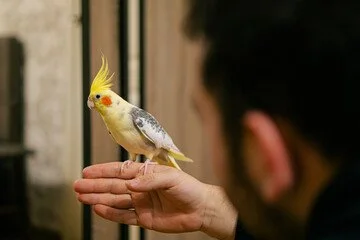
Birds are highly social animals and thrive on interaction with their human family.
Spend time every day:
Talking to your bird
Offering gentle head scratches if they enjoy them
Training together
Playing games
Reading aloud
Allowing supervised out-of-cage time
Even short daily interactions strengthen your bond and improve your bird's emotional health.
Create DIY Enrichment Toys
You don't need to spend a fortune on enrichment.
Simple homemade ideas include:
Cardboard tubes
Egg cartons
Plain paper strips
Untreated wicker balls
Small paper bags
Natural branches
Always inspect homemade toys for staples, glue, tape, loose strings, or anything that could be dangerous.
Watch for Signs of Boredom
Your bird may need more enrichment if you notice:
Feather damaging behaviors
Constant screaming
Lack of interest in toys
Excessive sleeping
Aggression
Pacing
Repetitive movements
Adding variety and increasing opportunities for exploration can often improve these behaviors.
Safety Comes First
Always choose toys designed specifically for birds and inspect them regularly for damage.
Replace toys if you notice:
Frayed ropes
Sharp edges
Loose hardware
Broken plastic
Rusting metal parts
Supervise your bird during out-of-cage play and remove anything that could pose a hazard.
Final Thoughts
Keeping your bird mentally stimulated every day is one of the most important parts of responsible bird ownership. Through climbing, foraging, training, chewing, social interaction, and exploration, you can encourage the natural behaviors that help birds thrive.
At PetSembly, we believe every bird deserves an environment that challenges their mind as much as it supports their body. By adding simple enrichment activities to your bird's daily routine, you'll help them stay healthier, happier, and more confident for years to come.